In today’s fast-paced digital era, businesses demand reliable, scalable, and cost-effective IT infrastructure to support growing data needs. Traditional data centers, while robust, often face limitations in scalability, deployment speed, and operational efficiency. This is where modular data center solutions have emerged as a transformative option for organizations seeking flexible and efficient data management.
What Are Modular Data Center Solutions?
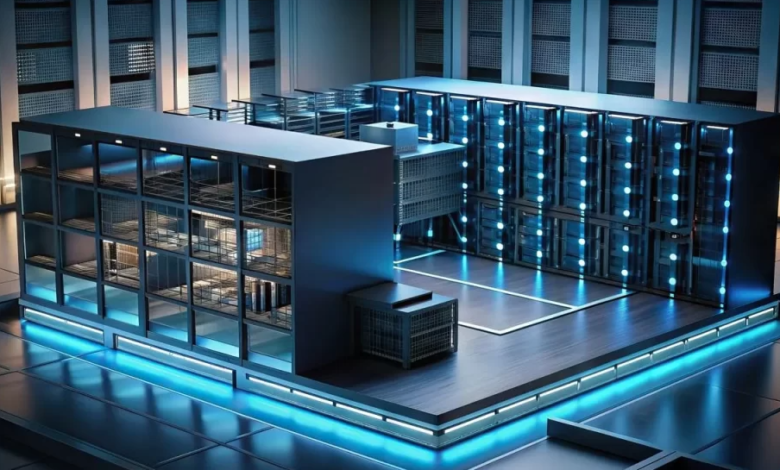
Modular data center solutions refer to pre-fabricated, scalable, and highly efficient data center units designed for rapid deployment and expansion. Unlike conventional data centers that require extensive construction, modular centers are built using standardized components or modules, including power, cooling, and server systems. These modules can be combined or expanded according to business requirements, making them ideal for organizations with dynamic growth or variable workloads.
See also: Low Deposit Home Loans for Budget-Conscious Homebuyers
Key Components of Modular Data Centers
- Prefabricated Modules: These include IT modules (servers, storage, networking) and infrastructure modules (power distribution, cooling units).
- Power and Cooling Systems: Integrated energy-efficient systems ensure uninterrupted operations and optimal thermal management.
- Scalable Design: Additional modules can be seamlessly integrated as the data demand grows.
- Management Systems: Advanced monitoring software ensures operational efficiency, security, and predictive maintenance.
Advantages of Modular Data Center Solutions
1. Rapid Deployment
Unlike traditional data centers that may take months or even years to construct, modular solutions can be deployed within weeks. Prefabricated modules are manufactured off-site and delivered ready for installation, drastically reducing setup time.
2. Scalability and Flexibility
Organizations can scale infrastructure incrementally by adding new modules as needed, avoiding unnecessary upfront investment. This flexibility allows businesses to match capacity with demand efficiently.
3. Cost Efficiency
Modular solutions reduce both capital expenditure (CapEx) and operational expenditure (OpEx). Prefabrication minimizes construction costs, while optimized cooling and energy-efficient designs lower electricity bills.
4. Enhanced Reliability
With integrated power redundancy and advanced cooling systems, modular data centers ensure continuous operation even during peak loads or component failures. Many modular solutions are designed to meet high-tier reliability standards, including Tier III or Tier IV certifications.
5. Sustainability
Energy efficiency is a core advantage. Modular data centers often incorporate low-power cooling systems, renewable energy compatibility, and intelligent energy management to reduce carbon footprint.
Applications of Modular Data Centers
- Enterprise IT Expansion: Businesses can deploy modular units to expand IT infrastructure quickly without disrupting existing operations.
- Edge Computing: Modular centers provide localized processing at the edge, reducing latency and supporting real-time analytics.
- Disaster Recovery: Rapidly deployable modules serve as backup facilities, ensuring business continuity during emergencies.
- Telecommunications: Telecom providers leverage modular solutions to enhance network coverage and manage data traffic efficiently.
- Cloud Service Providers: Cloud platforms use modular units to scale server capacity dynamically based on customer demand.
Best Practices for Implementing Modular Data Centers
- Assess Workload Requirements: Understand the computational and storage needs before designing the modular setup.
- Plan for Scalability: Ensure that the design allows seamless addition of modules in the future.
- Invest in Efficient Cooling: Advanced cooling technologies like liquid cooling or hot aisle containment can significantly reduce energy costs.
- Ensure Redundancy: Incorporate redundant power and network connections to maintain high reliability.
- Monitor Continuously: Implement robust monitoring systems to track performance, power usage, and thermal efficiency.
FAQs About Modular Data Center Solutions
Q1: How long does it take to deploy a modular data center?
A1: Deployment typically ranges from a few weeks to a few months, depending on the number of modules and infrastructure complexity.
Q2: Are modular data centers as reliable as traditional ones?
A2: Yes, modular data centers can meet the same reliability standards as conventional data centers, including Tier III and Tier IV certifications, with redundant power and cooling systems.
Q3: Can modular data centers be relocated?
A3: Many modular solutions are designed for mobility and can be relocated or expanded without significant downtime.
Q4: Are modular data centers energy-efficient?
A4: Absolutely. They incorporate advanced cooling, energy management systems, and sometimes renewable energy integration, making them highly sustainable.
Q5: What types of businesses benefit most from modular data centers?
A5: Enterprises with growing IT needs, cloud service providers, telecom operators, edge computing setups, and disaster recovery solutions are prime beneficiaries.
Conclusion
Modular data center solutions are reshaping the way organizations approach IT infrastructure. By combining rapid deployment, scalability, reliability, and energy efficiency, these solutions provide a flexible alternative to traditional data centers. As businesses face growing data demands and the need for quick adaptation, modular data centers offer a practical, cost-effective, and future-ready solution. Investing in modular infrastructure ensures that organizations remain agile, sustainable, and prepared for the digital challenges of tomorrow.