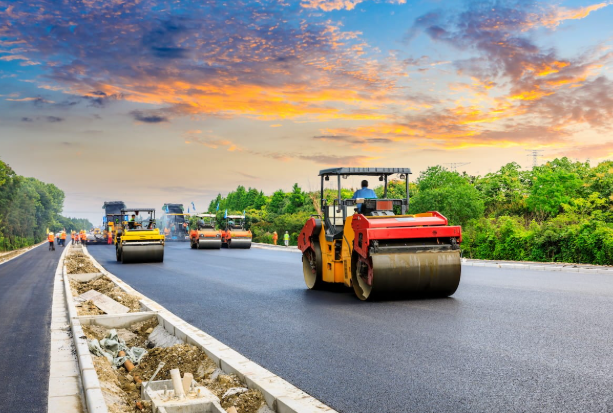
Road construction is a critical component of modern infrastructure, connecting communities, supporting commerce, and enabling efficient transportation. While much attention is often given to the surface layers of roads, the foundation beneath plays an equally vital role in ensuring longevity and durability. High-quality road base material is a key factor in creating strong, long-lasting roadways capable of withstanding traffic loads and environmental stressors.
Understanding Road Base Material
Road base material is the layer of aggregate or crushed stone placed between the subgrade, which is the natural soil, and the surface layer of a road. Its primary purpose is to provide stability, distribute loads, and support the pavement structure above. Without a properly constructed base layer, even the highest quality asphalt or concrete surface is prone to cracking, settling, and premature failure.
The choice of road base material depends on the project requirements, traffic volume, environmental conditions, and available resources. Commonly, it includes crushed rock, gravel, sand, and recycled concrete aggregates. Each material type has specific characteristics that influence compaction, drainage, and load-bearing capacity.
Types of Road Base Material
Crushed Stone
Crushed stone is widely regarded as one of the most reliable road base materials. Its angular particles interlock well, providing a solid foundation that resists movement under heavy loads. Crushed stone also allows for effective drainage, which reduces water retention that could weaken the subgrade. This makes it suitable for highways, high-traffic roads, and industrial access routes.
Gravel
Gravel is another popular choice, particularly for secondary roads or rural areas. While it may not offer the same interlocking strength as crushed stone, gravel provides adequate support when compacted correctly. Its natural drainage properties and ease of sourcing make it a cost-effective option for many projects.
Recycled Aggregates
Sustainability initiatives have increased the use of recycled road base material, such as crushed concrete or asphalt millings. These materials provide adequate structural support while reducing environmental impact. Recycled aggregates are increasingly used in temporary roads, low-traffic areas, or as part of layered construction in larger projects.
Benefits of Quality Road Base Material
Load Distribution
Road base material helps distribute the weight of vehicles evenly across the underlying soil, preventing localized stress points. This reduces the risk of rutting, potholes, and surface deformation. Roads with a strong base layer maintain road base material a smoother surface and provide a safer driving experience.
Drainage and Moisture Management
Water infiltration can weaken subgrades and cause long-term damage to roads. Proper road base material ensures effective drainage, directing water away from the surface and preventing structural deterioration. Materials like crushed stone and gravel allow water to pass through, maintaining the integrity of both the base and surface layers.
Durability and Longevity
Investing in high-quality road base material increases the lifespan of a road. Proper compaction and material selection reduce maintenance needs, minimize repairs, and prevent early surface failures. Roads built on a solid base remain functional for decades, even under heavy traffic and adverse weather conditions.
Environmental Benefits
Using recycled aggregates or sustainably sourced materials for road base construction can significantly reduce environmental impact. These practices lower demand for new quarry materials, reduce waste, and promote responsible resource use in the construction industry.
Construction Process Using Road Base Material
Constructing a road with a strong foundation involves careful planning and execution. The process generally includes the following steps:
- Site Preparation: Clear the area, remove vegetation and debris, and grade the subgrade for a level surface. Proper preparation ensures stability and uniformity.
- Placement of Road Base Material: Spread the chosen road base material evenly over the subgrade. The thickness depends on the anticipated traffic load and road classification.
- Compaction: Compact the material using heavy rollers or vibratory equipment to remove voids and increase density. Compaction is crucial to the load-bearing capacity and durability of the road.
- Grading and Slope Formation: Ensure proper slope and drainage to prevent water accumulation. Correct grading minimizes water damage and prolongs the life of both base and surface layers.
- Inspection and Testing: Engineers conduct tests to verify material density, moisture content, and compaction standards before proceeding with paving.
See also: Enhancing Business Efficiency With Accounting Services
Applications of Road Base Material
Road base material is used in a variety of projects, ranging from highways and urban streets to industrial and residential access roads. Its applications include:
Highways and Expressways
For high-traffic highways, a strong road base is essential to handle constant heavy loads. It prevents deformation and cracking while ensuring long-term road safety and durability.
Urban and Municipal Roads
City streets experience frequent stops, turns, and high vehicle density, which can stress the pavement. Road base material distributes these loads evenly, reducing wear on the surface and minimizing maintenance requirements.
Industrial Access Roads
Factories, warehouses, and industrial sites rely on roads capable of supporting heavy trucks and equipment. Properly constructed road base material ensures these roads can withstand continuous usage without structural failure.
Rural and Residential Roads
Even low-traffic rural and residential roads benefit from high-quality road base material. It prevents erosion, maintains a smooth surface, and ensures a stable foundation for future upgrades or paving.
Challenges in Road Base Construction
While road base material is critical for long-lasting roads, construction challenges may arise:
- Material Quality: Using substandard or poorly graded material can compromise the foundation and reduce durability.
- Compaction Issues: Insufficient compaction may lead to settling, cracks, and surface deformation.
- Moisture Control: Excessive water during construction or inadequate drainage can weaken the base and subgrade.
- Environmental Concerns: Sustainable sourcing and the use of recycled materials may require additional testing and processing.
Future Trends in Road Base Material
The road construction industry is evolving to meet the demands of sustainability, efficiency, and resilience. Key trends include:
- Recycled Materials: Increasing use of crushed concrete, asphalt millings, and other recycled aggregates.
- Geosynthetic Reinforcement: Geotextiles and geogrids integrated into road base layers to enhance stability and drainage.
- Smart Construction Techniques: Sensors and compaction monitoring equipment ensure consistent density and optimal performance.
- Performance-Based Specifications: Engineers focus on material testing and performance metrics rather than solely on traditional grading standards, leading to longer-lasting roads.
Conclusion
A durable and long-lasting road relies on the quality of its foundation, and road base material is the backbone of this foundation. By selecting the right materials, ensuring proper compaction, and integrating modern construction techniques, engineers can create roads that withstand heavy traffic, adverse weather, and the test of time.
Investing in high-quality road base material not only enhances road longevity and performance but also reduces maintenance costs and supports sustainability initiatives. As infrastructure demands continue to grow, road base material remains a critical element in building safe, efficient, and resilient transportation networks.