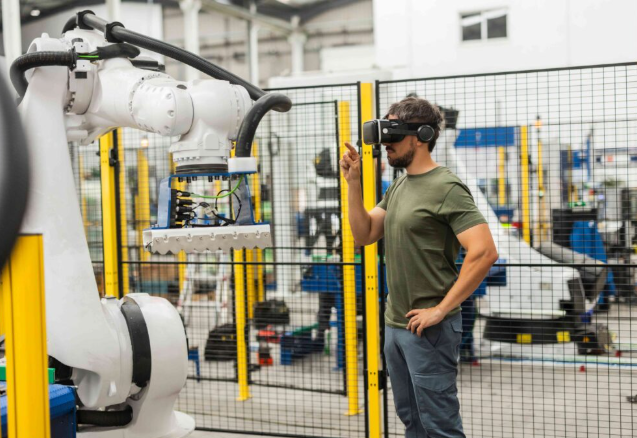
The Importance of Thermal Inspection in Modern Industry
In today’s industrial and commercial sectors, safety, efficiency, and predictive maintenance are more critical than ever. One of the most effective tools for achieving these goals is thermal inspection. Thermal inspection involves monitoring the heat signatures of machinery, electrical systems, buildings, and other equipment to identify potential issues before they escalate into costly problems. This proactive approach helps prevent failures, reduce downtime, and ensure overall safety.
A thermal inspection camera plays a central role in this process, providing precise and immediate feedback on temperature variations. By capturing infrared images, these cameras allow technicians and engineers to detect anomalies invisible to the naked eye, creating opportunities for timely interventions and informed decision-making.
How Thermal Inspection Cameras Work
Understanding Infrared Technology
Thermal inspection cameras use infrared technology to detect heat emitted by objects. Unlike traditional cameras that capture visible light, these devices measure infrared radiation and convert it into a visual image known as a thermogram. Each color on a thermogram corresponds to a specific temperature, allowing for quick identification of hot or cold spots.
For instance, in electrical panels, a thermal inspection camera can highlight overloaded circuits or faulty connections, which appear as unusually hot areas. In mechanical systems, friction points or overheating bearings are easily detected before causing equipment failure.
Key Features
Modern thermal inspection cameras come equipped with features that enhance their usability and accuracy:
- High-Resolution Imaging: Clear and detailed thermograms enable precise analysis.
- Temperature Range Measurement: Ability to detect both high and low temperatures, suitable for various industrial applications.
- Portable Design: Lightweight and handheld cameras allow for easy access to different locations.
- Data Recording and Analysis: Some cameras store thermograms for later analysis, reporting, or integration into maintenance software.
Applications Across Industries
Electrical and Power Systems
Electrical systems are prone to overheating due to overloads, loose connections, or component wear. Thermal inspection cameras help identify potential hazards in power distribution panels, transformers, and switchgear. Detecting these thermal inspection camera issues early prevents electrical failures, fires, and operational downtime, enhancing safety for personnel and infrastructure.
Manufacturing and Machinery
Machinery in manufacturing environments can experience wear and tear that may lead to unexpected breakdowns. Thermal inspection cameras are used to monitor motor temperatures, conveyor belts, pumps, and other mechanical components. By spotting irregular heat patterns, maintenance teams can schedule timely repairs, reducing costly production interruptions.
Building and Infrastructure
Thermal inspection cameras are increasingly used in construction and building maintenance. They help detect insulation gaps, water leaks, roof damage, and HVAC inefficiencies. These inspections lead to energy savings, improved comfort, and timely repairs, contributing to sustainable building management.
Oil and Gas Industry
The oil and gas sector requires stringent safety measures due to the high-risk nature of its operations. Thermal inspection cameras monitor pipelines, storage tanks, and valves to detect leaks, corrosion, or equipment overheating. These inspections are crucial for preventing accidents and environmental hazards.
Healthcare and Food Industries
In healthcare, thermal inspection cameras are used for sterilization monitoring, equipment maintenance, and ensuring proper storage temperatures for medications or vaccines. In the food industry, they monitor refrigeration systems, cooking equipment, and processing lines, ensuring compliance with safety standards and quality control.
Advantages of Using Thermal Inspection Cameras
Enhanced Safety
Thermal inspection cameras allow technicians to identify hazards without direct contact, reducing exposure to dangerous environments. For example, inspecting high-voltage electrical panels or high-temperature machinery is safer with thermal imaging than traditional manual methods.
Cost Savings
Proactive maintenance through thermal inspections reduces unexpected equipment failures, minimizing repair costs and operational downtime. Early detection of issues prevents small problems from becoming major expenses, making thermal inspection a cost-effective solution for industrial maintenance.
Efficiency and Accuracy
Thermal inspection cameras provide instant results, enabling quick decision-making. Technicians can prioritize repairs based on severity and location of heat anomalies, improving maintenance workflow and efficiency.
Non-Invasive Inspection
Unlike some diagnostic methods, thermal inspections are non-destructive. They do not require dismantling equipment or interrupting operations, which is particularly valuable in industries where downtime is expensive or impractical.
Regulatory Compliance
Many industries are subject to safety and maintenance regulations. Thermal inspection helps companies comply with standards by providing documented evidence of proactive maintenance and hazard detection.
See also: Andrew Santino Partner : Private Life or Public Curiosity
Best Practices for Effective Thermal Inspections
Routine Monitoring
Regular inspections are key to identifying issues early. Establishing a routine schedule for thermal inspections ensures consistent monitoring of critical systems and equipment, reducing the likelihood of unexpected failures.
Proper Training
Technicians must be trained in interpreting thermograms accurately. Understanding the normal operating temperatures of equipment and recognizing abnormal heat patterns is essential for effective maintenance decisions.
Integration with Predictive Maintenance
Thermal inspection cameras can be integrated into predictive maintenance programs. Data collected over time helps identify trends and predict potential failures, allowing maintenance teams to intervene before issues escalate.
Documentation and Reporting
Maintaining detailed records of thermal inspections helps track equipment performance, supports compliance audits, and facilitates communication between maintenance teams and management.
Future Trends in Thermal Inspection
Artificial Intelligence and Automation
AI-powered thermal inspection cameras are becoming more common. These systems automatically detect anomalies, categorize issues, and generate reports, reducing human error and increasing efficiency.
Remote Monitoring
Advances in IoT and wireless technology allow thermal inspection cameras to transmit data in real-time to centralized monitoring systems. This enables remote supervision of large facilities or hazardous sites, improving responsiveness and safety.
Miniaturization and Portability
Ongoing innovation is producing smaller, more portable thermal inspection cameras. Compact designs make it easier for technicians to access tight spaces, perform inspections quickly, and carry devices across multiple sites.
Expanded Industry Applications
As industries continue to recognize the benefits of thermal inspection, applications will expand into areas such as renewable energy, smart buildings, and transportation infrastructure, ensuring safety, efficiency, and sustainability.
Conclusion
Thermal inspection has become an indispensable tool for modern industries seeking to enhance safety, optimize operations, and reduce costs. A thermal inspection camera enables technicians to detect hidden issues, monitor equipment performance, and implement proactive maintenance strategies.
From electrical systems and manufacturing machinery to buildings, healthcare, and oil and gas operations, the applications of thermal inspection are diverse and impactful. By integrating thermal inspections into routine maintenance and leveraging advancements in AI and IoT technology, companies can achieve greater efficiency, safety, and reliability.
As industries evolve, the use of thermal inspection cameras will continue to expand, offering innovative solutions for predictive maintenance, energy efficiency, and operational excellence. Investing in this technology today ensures that organizations are better prepared for the challenges of tomorrow.